Posts Tagged ‘Tamashek’

Elephants, cattle and 21 languages

by Cecilia Hue, Assistant Producer, Deserts and Grasslands team

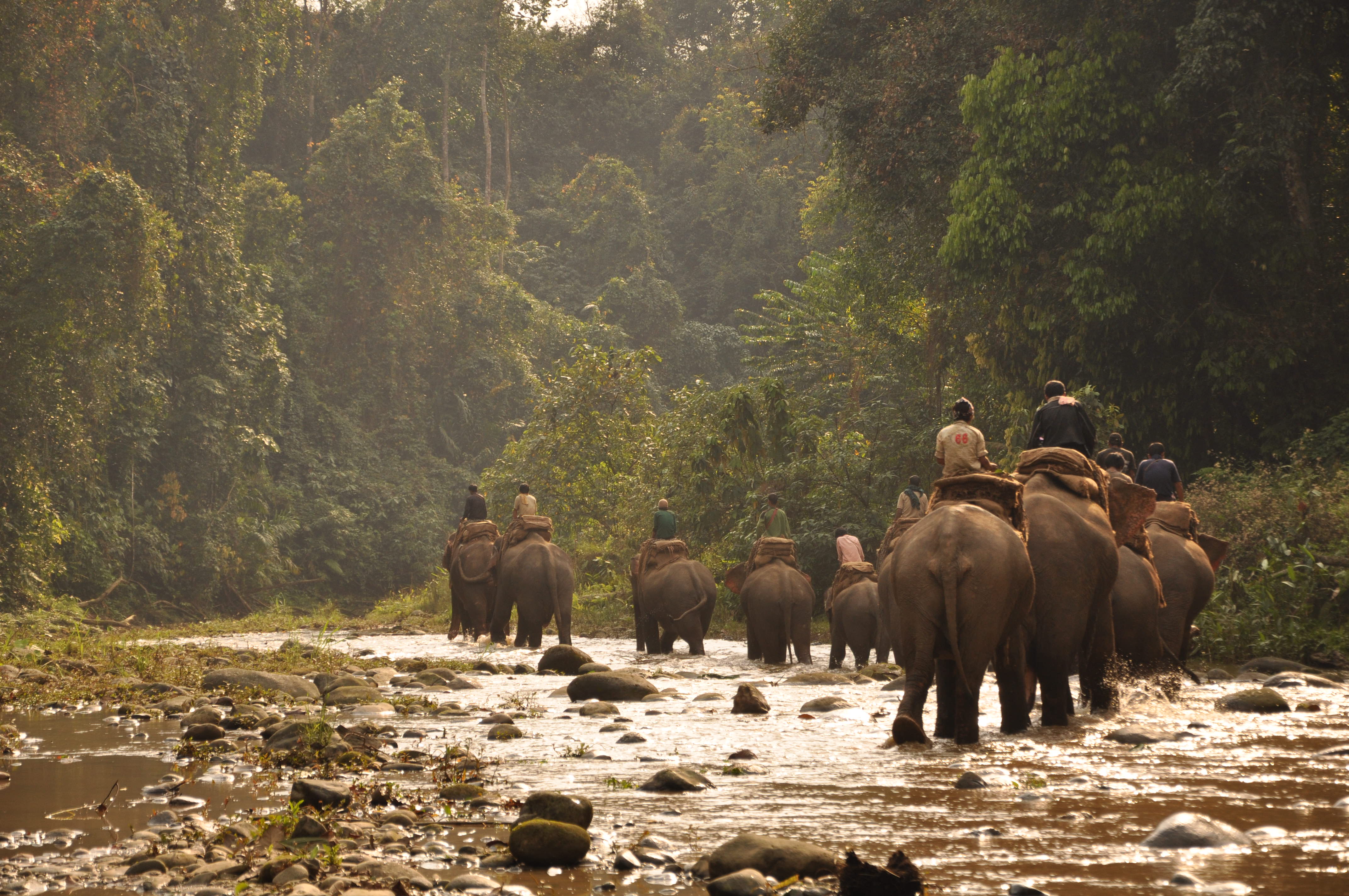
I’ve had to do a few strange things on shoots. But playing hide and seek with a herd of thirsty desert elephants – and discovering the back of a cow was the perfect hiding place – well, that’s a first.

To get close enough to film the desert elephants of Mali, who make up for their poor eye sight with an incredibly developed sense of smell, we have to draw on new reserves of cunning – that means foregoing sun lotion in soaring desert temperatures and ensuring we are downwind so they don’t spot us and decide to charge.  Or, even worse, disappear into the Sahel, a strip of sub-Saharan land that stretches for 2400 miles from Mauritania to Sudan.

The games we have to play are frustrating for the cameraman, Richard Kirby, who has filmed elephants before in Kenya and in India, and has always managed to get right up close. Learning the hard way that these elephants are very wild and camera shy, we’ve ended up having to shoot from a distance of 40 metres.

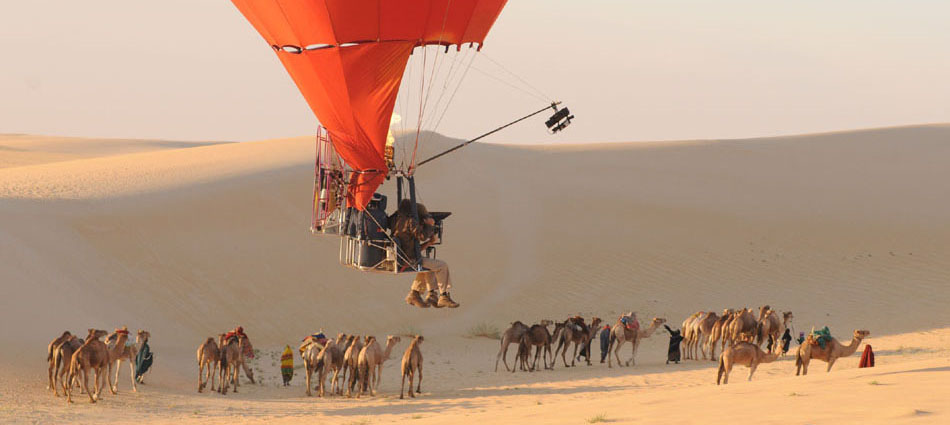
Discussing the crane shot with Richard

Discussing the crane shot with Richard

After driving for three days  across a barren and unremarkable landscape to the sounds of Salif Keita’s album ‘Folon’, we’re finally in the elephant reserve of Gourma, south of Timbuktu and are rewarded by the amazing spectacle of Lake Banzena.  It’s the main source of water in the region at this time of year, and the place is teeming with wildlife.  I’ve never seen so much life concentrated in one place before – thousands of cattle dotted around the lake, millions of quelea birds performing a beautifully choreographed ballet around us, and several herds of elephants busily slurping water and rolling around in the mud. It’s stunning. I feel very privileged to be here.

Lake Benzena, teeming with wildlife

Luckily, not all the stars of our show are such tricky customers as the elusive elephants.  Mamadou, our character and cattle herder, is a joy to work with, even when I ask him to do the same thing several times in 45 degree heat so we can film the action from different angles and get it right. Yet simply passing on instructions is no easy task. Often on location, I can speak the language spoken in the country but this time it’s different: there are about 20 different ethnic languages in Mali and not everyone speaks French.

Mamadou speaks Fufulde, the language of a nomadic tribe called the Fulani. So every time I speak to him my sentence is translated from French into Tamashek and then from Tamashek into Fulfulde. It’s way too complicated, so I decide to learn a few key words: ‘Alekate’ – ‘please do it again’ – comes in very handy. And all his hard work pays off. He’s really pleased with the shots.

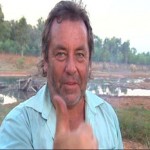
Mamadou is really pleased with the shots

Mamadou, the Fulani cattle herder, is really pleased with the shots

It’s my second time in Mali, but this time I’m here to direct my first sequence for Human Planet. And it’s a tough shoot –  whatever could’ve gone wrong, for some reason, has. Two generators break down and fry our camera chargers so we aren’t able to film anything for a couple of days – we experience the mother of sandstorms and our fixer goes down with a kidney stone and has to be evacuated. And then it starts raining and all the elephants abandon the lake and our filming set!  All this happens in one long day!!

Every day throws a different challenge at us. But I try to keep smiling all along and I have to admit that, if it hadn’t been for the amazing spirit and efforts of the team around me, Richard, Sophie, Abbie, and our fantastic fixers and drivers we wouldn’t have made it!! S o when we finally get the sequence in the can we are all exhausted… but very happy indeed.

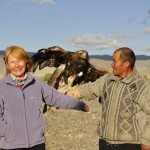
The A-team: Sophie Meyer, sound recordist; Richard Kirby, cameraman; and myself - and, not in vision, Abbie Trayler-Smith, the photographer

The A-team: Sophie Meyer, sound recordist; Richard Kirby, cameraman; and myself - and, not in vision, Abbie Trayler-Smith, the photographer


This website is made by BBC Worldwide

More from BBC Worldwide